

Welcome to issue #69 of next big thing.
A few weeks ago, I spent the day with the team at Canva, a company I’ve been fortunate to be an investor in since their Seed round in 2014. At their 2026 Canva Create, they showcased their latest work in AI, as well as long-requested features such as offline mode.
But it was in a private conversation with investors that I saw something that I’ve kept thinking about since the event. Founder/CEO Melanie Perkins showed a screenshot of the original deck created in 2011 for the concept that was then-called Canvas Chef.
It’s simple. Type into a box what you want to chef up - e.g. a brochure, invitation, photo book, lab report. And then the design starts to get generated. Does this UI look and sound familiar? 😉
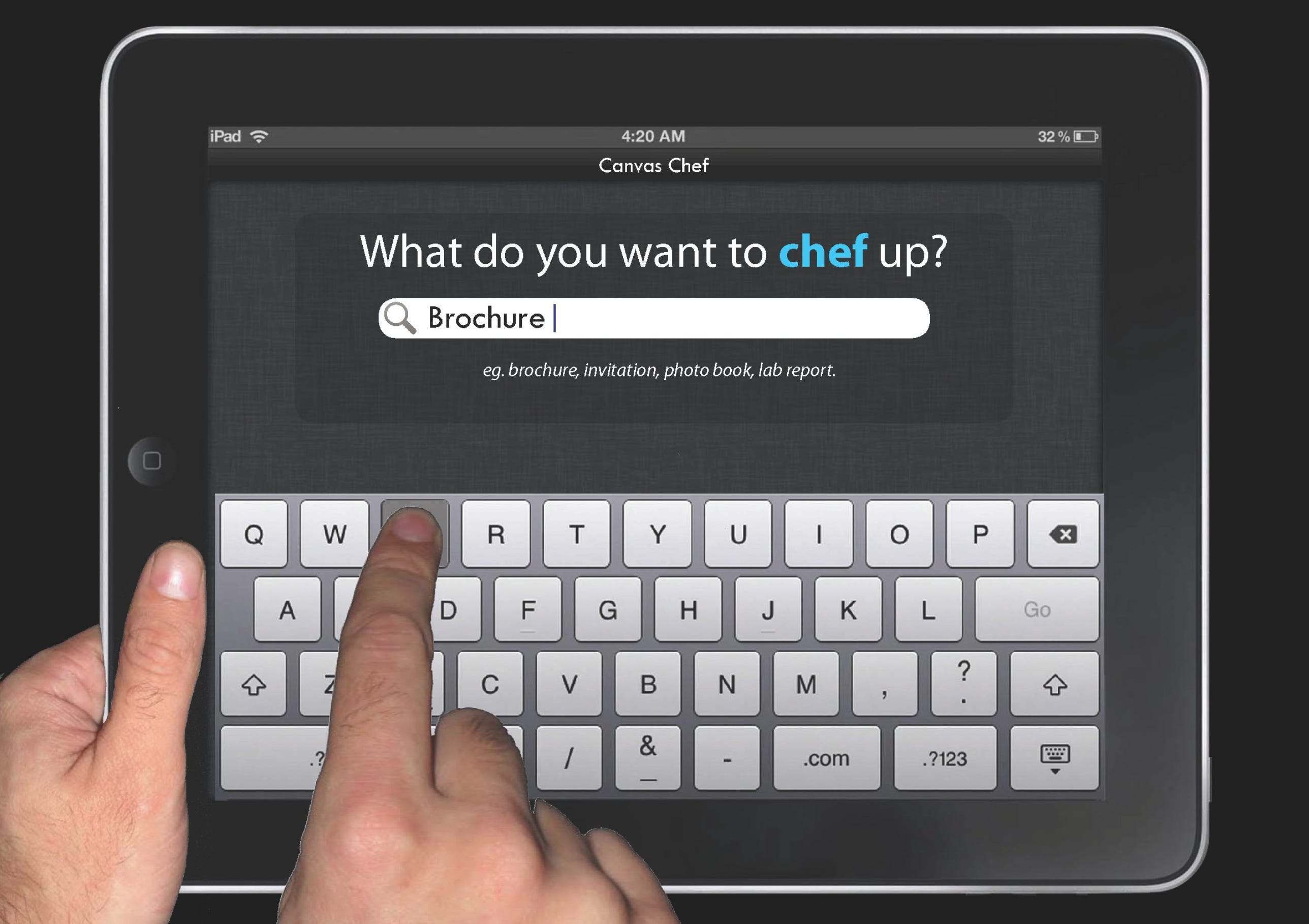
Let’s go back to this moment in 2011. Mel and Cliff were in Perth, Australia, working on Fusion Books, a publishing system for the school yearbook market. They had the idea that the software they were working on could appeal to a broader market than yearbooks. The iPad had launched in 2010 with the App Store, so creating this software as an iPad app made sense to Mel and Cliff. The initial name for the concept was Canvas Chef, and they created this deck, well before they had raised any funding and pre-Canva having a name (Mel adds “It didn’t make it to the finals of a pitch competition 🤣”).
Full deck, in Canva of course, here.
I find the prescience of this deck astonishing. More than a decade before generative AI became a thing, Mel and Cliff imagined a product experience where a user could type in what they want to design, and it starts to get generated. Prompt the base, layout, toppings, photos, and along the way options come up to select. Something that today makes such intuitive sense as a UI, but back then was ahead of its time.
Another thing I love about this deck is that it showcases different potential designs to chef up (brochures, invitations, photo books, lab reports), something that defined Canva from the beginning. When I met Mel and Cliff in 2014, Canva had launched six months prior, and was being used for so many different use cases - Facebook posts and social media graphics, posters, presentations and slide decks, photo collages. Many investors passed because it was hard to put Canva “in a box.”
But that breadth of usage was a feature, not a bug. It has meant that Canva has always been used by regular people for lots of regular use cases, versus being defined by a particular user interface such as chat. I believe this is critical to their success in this AI era — it is the first real AI experience for many of its users, who still are unsure of exactly what to use ChatGPT for. Canva today is the third most used AI product in the world, behind ChatGPT and Gemini, but I suspect the UI of Canva leads to deeper and broader usage today than those other products.
The tagline of the Canvas Chef product in the deck is “Design, Collaborate, and Share beautiful documents in just a few minutes.” 15 years later, that vision is a reality in Canva’s product, and through the magic of AI. Mel and Cliff called their shot in 2011, and they’ve gone on to hit it, to the tune of over $4 billion in annualized revenue and over a quarter of a billion monthly active users. What a story.
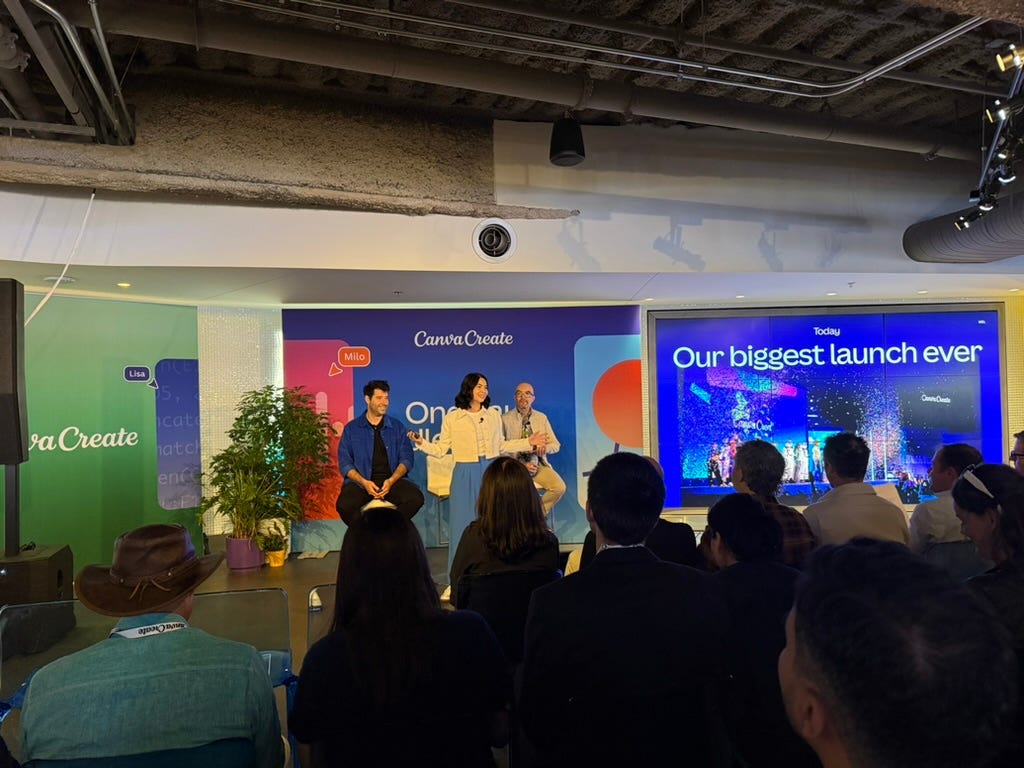
A huge thank you to Mel and Cliff for sharing the full Canvas Chef deck, to enable us to share it with the world.
I started next big thing to share unfiltered thoughts. I’d love your feedback, questions, and comments!
👇🏽 please hit the ♥️ button below if you enjoyed this post.
The consistency of the vision from Mel is crazy
The deck definitely got one thing right — the note on the last page: "an incredible app that will shape the future of publishing and design."